

Starting with Collaborating Physician for Telemedicine Startups: Best Practices, the discussion delves into the crucial role of physicians in the success of telemedicine startups. It explores the responsibilities, challenges, and strategies involved in this dynamic field, offering valuable insights for both seasoned professionals and newcomers alike.
Understanding the Role of Collaborating Physicians
Collaborating physicians play a crucial role in telemedicine startups by providing oversight, guidance, and medical expertise to ensure the delivery of quality care to patients remotely. They are responsible for supervising the telemedicine providers, reviewing cases, and ensuring compliance with all legal and ethical standards.Responsibilities of Collaborating Physicians
- Reviewing and approving treatment plans proposed by telemedicine providers.
- Providing consultation and guidance on complex cases.
- Ensuring that telemedicine services meet the standard of care.
Legal and Ethical Obligations
Collaborating physicians must adhere to state telemedicine regulations and licensing requirements.
They are responsible for maintaining patient confidentiality and privacy.
Ensuring that telemedicine providers are appropriately credentialed and licensed.
Importance of Clear Communication
Clear communication between collaborating physicians and the telemedicine team is essential to ensure the seamless delivery of care. It helps in discussing treatment plans, clarifying doubts, and addressing any concerns promptly.Contribution to Success
- Collaborating physicians can enhance the credibility of the telemedicine startup by lending their expertise.
- They can help in expanding the range of services offered by providing specialized medical knowledge.
- By ensuring compliance with regulations, collaborating physicians contribute to the overall success and sustainability of the telemedicine startup.
Establishing Effective Communication Channels
Effective communication channels are crucial for the successful collaboration between physicians and telemedicine teams. Utilizing telecommunication tools can greatly enhance the efficiency and effectiveness of communication in a telemedicine setting. Here are some best practices to establish and maintain seamless communication:Utilize Telecommunication Tools
- Choose reliable telecommunication tools such as secure messaging platforms, video conferencing software, and telehealth platforms to facilitate real-time communication.
- Ensure all parties are well-versed in using the selected tools to avoid any communication breakdowns.
- Implement encryption and other security measures to protect patient information shared through these tools.
Maintain Regular Updates and Feedback Loops
Regular updates and feedback loops are essential to keep all team members informed and engaged. Here are some tips to maintain effective communication:- Establish regular check-ins or meetings to discuss patient cases, treatment plans, and any challenges encountered.
- Encourage open communication and feedback from all team members to foster a collaborative environment.
- Utilize project management tools or software to track progress, assign tasks, and provide updates on ongoing projects.
Strategies for Resolving Communication Challenges
Communication challenges may arise in telemedicine operations due to various factors such as technical issues or misinterpretation of information. Here are some strategies to address and resolve communication challenges:- Establish clear communication protocols and guidelines to ensure everyone is on the same page regarding expectations and responsibilities.
- Encourage active listening and clarification of any misunderstandings to avoid miscommunication.
- Hold regular training sessions or workshops to improve communication skills and address any issues proactively.
Ensuring Regulatory Compliance
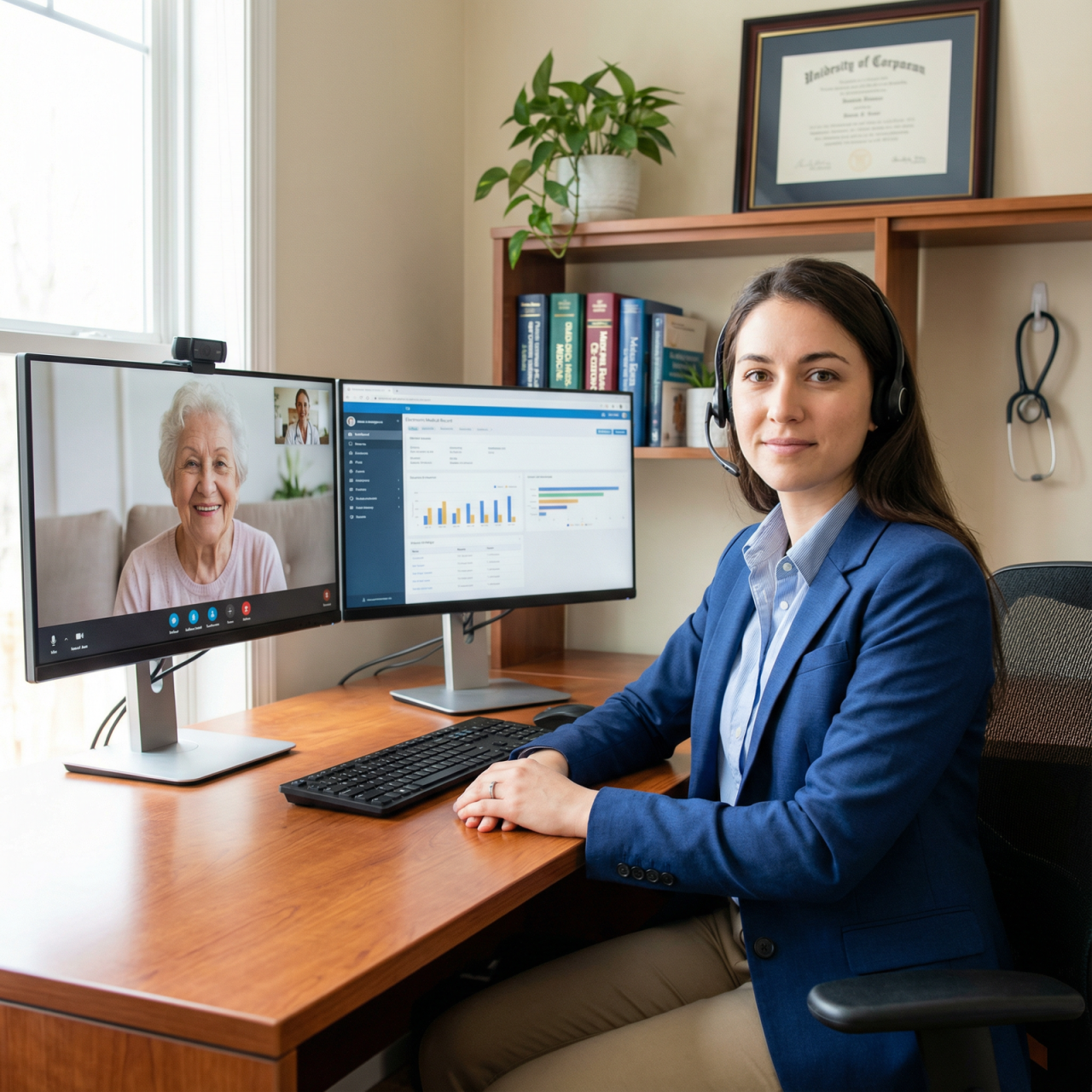
When it comes to telemedicine practice, collaborating physicians must adhere to specific regulations and guidelines to ensure compliance and maintain patient safety and confidentiality.
Key Regulations and Guidelines
- Collaborating physicians need to follow HIPAA regulations to protect patient information and ensure confidentiality.
- Adherence to state medical board regulations regarding telemedicine practice is crucial to avoid legal issues.
Obtaining Licenses and Certifications
Collaborating physicians must obtain the necessary licenses and certifications to practice telemedicine legally.
- Ensure you have the required medical license in the state where the patient is located during the telemedicine consultation.
- Obtain any additional certifications or training specific to telemedicine to enhance your practice and comply with regulations.
Compliance with State-Specific Laws
It is essential for collaborating physicians to familiarize themselves with state-specific telemedicine laws to ensure compliance.
- Stay updated on any changes or updates to telemedicine regulations in the states where you practice.
- Consult with legal professionals or telemedicine experts to ensure your practice aligns with state laws and regulations.
Maintaining Patient Confidentiality and Data Security
Protecting patient confidentiality and ensuring data security are vital components of telemedicine practice.
- Use secure telemedicine platforms that comply with HIPAA regulations to safeguard patient information.
- Implement encryption and secure communication channels to prevent data breaches and maintain patient trust.
Fostering a Culture of Collaboration
Building a strong collaborative relationship between collaborating physicians and telemedicine providers is essential for the success of telemedicine startups. By fostering a culture of collaboration, both parties can work together effectively to provide high-quality care to patients.Strategies for Building a Strong Collaborative Relationship
- Establish clear communication channels and expectations from the beginning.
- Encourage open dialogue and feedback to address any issues or concerns promptly.
- Promote mutual respect and appreciation for each other's expertise and contributions.
- Regularly evaluate and adjust workflows to optimize collaboration and efficiency.
Benefits of Teamwork and Mutual Respect
- Improved patient outcomes through coordinated care and shared decision-making.
- Enhanced innovation and problem-solving by leveraging diverse perspectives and skills.
- Increased job satisfaction and morale among collaborating team members.
- Greater efficiency and effectiveness in delivering telemedicine services.
Handling Disagreements or Conflicts Effectively
- Address conflicts openly and constructively, focusing on finding solutions rather than placing blame.
- Seek mediation or third-party facilitation if necessary to resolve disagreements professionally.
- Establish clear conflict resolution protocols to guide the collaborating team in navigating challenging situations.
Examples of Successful Collaborations
One notable example is a telemedicine startup that partnered with a group of collaborating physicians to provide virtual consultations for underserved communities. By working together seamlessly and leveraging each other's strengths, they were able to reach a larger patient population and improve access to healthcare services.
Closing Summary

In conclusion, Collaborating Physician for Telemedicine Startups: Best Practices highlights the importance of effective communication, regulatory compliance, and fostering a culture of collaboration in the rapidly evolving telemedicine landscape. By following these best practices, physicians can navigate the complexities of telemedicine startups with confidence and success.
FAQ Summary
What are the legal obligations of collaborating physicians in telemedicine startups?
Collaborating physicians in telemedicine startups are required to adhere to legal and ethical standards, ensuring patient safety, confidentiality, and quality care delivery.
How can collaborating physicians maintain patient confidentiality in telemedicine consultations?
Collaborating physicians can maintain patient confidentiality by using secure telecommunication tools, following HIPAA guidelines, and implementing robust data security measures.
What are the benefits of building a strong collaborative relationship between physicians and telemedicine providers?
Building a strong collaborative relationship fosters effective communication, mutual respect, and enhances patient care outcomes in telemedicine settings.