

Delve into the intricate world of Collaborating Physician Licensing Requirements by State, where regulations vary from one state to another, shaping the landscape of healthcare practices. Discover the nuances and complexities that healthcare professionals navigate in this essential aspect of their careers.
Overview of Collaborating Physician Licensing Requirements
Collaborating physician licensing requirements refer to the regulations that dictate the need for certain healthcare professionals to work under the supervision or collaboration of a licensed physician. This ensures that patients receive high-quality care and that healthcare providers adhere to established standards.Professions Requiring Collaborating Physician Agreements
- Nurse Practitioners: In many states, nurse practitioners are required to have a collaborating agreement with a physician in order to practice independently.
- Physician Assistants: Physician assistants often need to work under the supervision of a licensed physician and have a collaborating agreement in place.
- Certified Nurse Midwives: Certified nurse midwives may also need to collaborate with a physician for certain aspects of patient care.
Importance of Collaborating Physician Requirements in Healthcare
Collaborating physician requirements are essential for ensuring patient safety and quality of care. By working in collaboration with physicians, other healthcare providers can benefit from their expertise and guidance, leading to improved patient outcomes. These requirements also help to establish clear lines of accountability and responsibility within the healthcare team, promoting effective communication and coordination of care.Variations in Collaborating Physician Requirements by State
Collaborating physician requirements can vary significantly from state to state, impacting healthcare practitioners in various ways.
States with Strict Collaborating Physician Licensing Requirements
Some states that are known for having strict collaborating physician requirements include:
- State A: Requires collaborating physicians to be physically present for a certain number of hours each week.
- State B: Mandates that collaborating physicians must review and co-sign a certain percentage of patient charts.
- State C: Demands that collaborating physicians conduct regular site visits to the healthcare practitioner's practice.
Comparing and Contrasting Differences in Requirements Between States
The variations in collaborating physician requirements between states can include differences in:
| Requirement | State A | State B | State C |
|---|---|---|---|
| Physical Presence | Required | Not Required | Required |
| Chart Review | 50% | 75% | 25% |
| Site Visits | Monthly | Quarterly | Bi-Annually |
Impact of Variations on Healthcare Practitioners
These variations in collaborating physician requirements can have a significant impact on healthcare practitioners, including:
- Increased administrative burden for practitioners in states with stricter requirements.
- Limitations on the autonomy of healthcare practitioners in certain states.
- Potential challenges in finding and maintaining collaborating physician relationships.
Licensing Process for Collaborating Physicians

Obtaining a collaborating physician license involves several important steps, including documentation, qualifications, and possibly exams or assessments.
Documentation and Qualifications
When applying for a collaborating physician license, you will typically need to provide the following documentation:
- Evidence of medical degree and completion of residency program
- Valid state medical license
- Proof of malpractice insurance
- Letter of intent for collaboration
It is essential to ensure that all required documentation is accurate and up to date to avoid delays in the licensing process.
Exams and Assessments
Depending on the state, you may be required to take specific exams or assessments to obtain a collaborating physician license. These assessments may include:
- Medical knowledge and competency exams
- Assessments on state-specific laws and regulations
- Interviews with regulatory boards
Benefits and Challenges of Collaborating Physician Licensing
When it comes to collaborating physician licensing requirements, there are both advantages and challenges that practitioners may encounter. Let's explore these in more detail below.Advantages of Collaborating Physician Licensing
- Enhanced Patient Care: By working with a collaborating physician, practitioners can provide more comprehensive and coordinated care to patients, leading to better health outcomes.
- Professional Support: Collaborating physicians can offer guidance, mentorship, and expertise, helping practitioners improve their skills and knowledge.
- Legal Protection: Having a collaborating physician can provide legal protection and reduce liability risks for practitioners, as they can consult with the collaborating physician on complex cases.
Challenges of Collaborating Physician Licensing
- Dependency: Practitioners may feel restricted or dependent on the collaborating physician for decision-making, which can limit their autonomy and creativity in patient care.
- Administrative Burden: Meeting collaborating physician requirements, such as regular meetings and documentation, can add to the administrative workload of practitioners, taking time away from patient care.
- Limited Availability: Finding a suitable collaborating physician who aligns with the practitioner's practice goals and values can be challenging, especially in rural or underserved areas.
Real-Life Impact of Collaborating Physician Licensing
For example, in states like Texas where nurse practitioners are required to have a collaborating physician, practitioners have reported improved patient outcomes and increased confidence in managing complex cases with the support of their collaborating physicians.
Wrap-Up
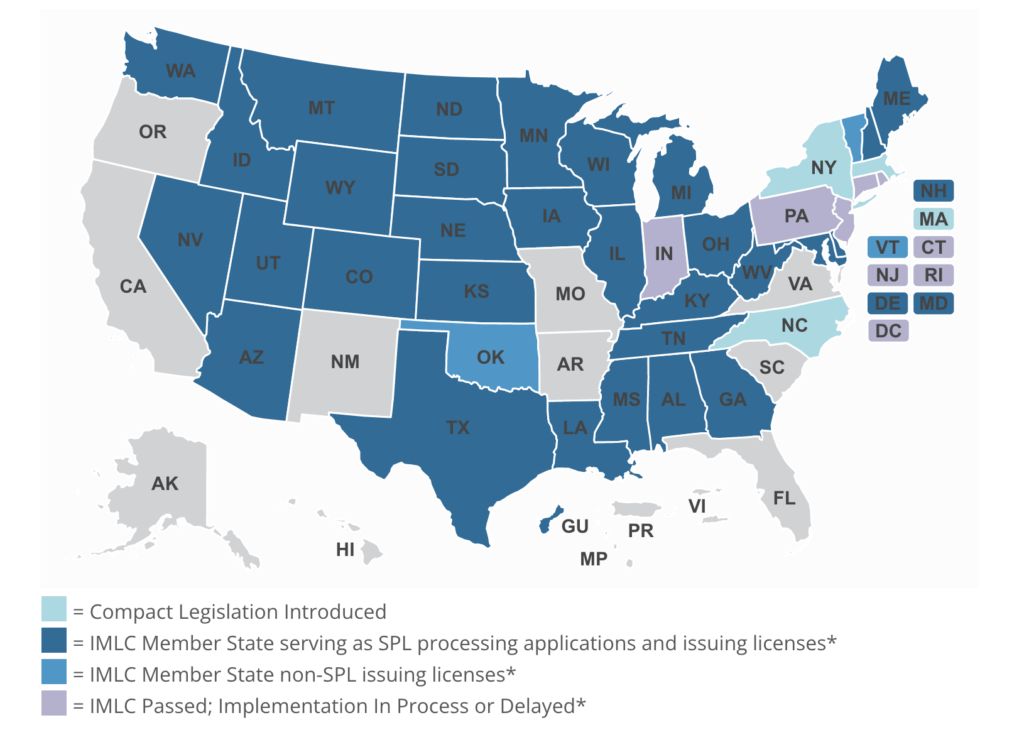
In conclusion, the realm of Collaborating Physician Licensing Requirements by State is multifaceted, with benefits and challenges that significantly impact healthcare practitioners. By understanding the variations across different states, professionals can better navigate the regulatory landscape and provide optimal care to their patients.
FAQ Guide
What professions typically require collaborating physician agreements?
Professions such as nurse practitioners, physician assistants, and nurse midwives often require collaborating physician agreements to practice.
Are there exams or assessments required for obtaining a collaborating physician license?
The specific exams or assessments needed may vary by state, so it's essential to check the requirements in the state where you intend to practice.
How do variations in collaborating physician requirements impact healthcare practitioners?
Variations in requirements can influence where practitioners choose to practice, as some states may have more stringent regulations than others, affecting their scope of practice.